

Agenda
09:00-10:00
Registration
10:00 - 10:30
Opening Ceremony
The 16th Russian Internet Governance Forum will convene once again, reaffirming its role as a leading national platform for inclusive dialogue on key issues shaping the digital environment and the evolution of Internet governance.
The Opening Session, a central element of the Forum’s programme, will bring together representatives of government, industry, and the expert community. In their remarks, speakers will set the stage for the discussions ahead by outlining strategic priorities for the development of the Internet ecosystem, addressing emerging challenges, and highlighting opportunities for enhanced international digital cooperation.
The Opening Session, a central element of the Forum’s programme, will bring together representatives of government, industry, and the expert community. In their remarks, speakers will set the stage for the discussions ahead by outlining strategic priorities for the development of the Internet ecosystem, addressing emerging challenges, and highlighting opportunities for enhanced international digital cooperation.
Moderator:
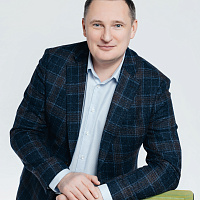
Andrey Vorobyev,
Director of Coordination Center for TLD .RU/.РФ
Participants:
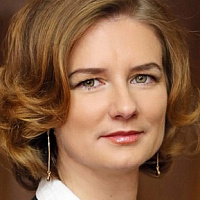
Tatyana Matveeva,
Head of the Office of the President of the Russian Federation for the Development of Information and Communication Technologies and Communications Infrastructure
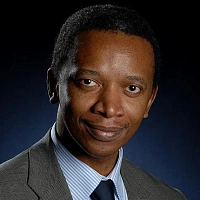
Chengetai Masango,
Head of Office, UN Secretariat for the Internet Governance Forum
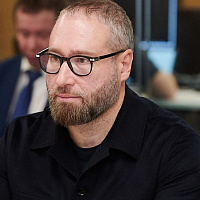
Anton Gorelkin,
First Deputy Chairman of the State Duma Committee on Information Policy, Information Technology and Communications, Chairman of the Board of ROCIT
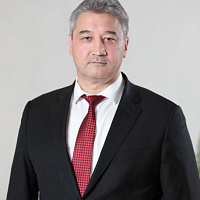
Alexander Shoitov,
Deputy Minister of Digital Development, Communications, and Mass Media of the Russian Federation
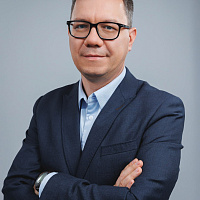
Alexey Rogdev,
Director General of the Technical Center of Internet
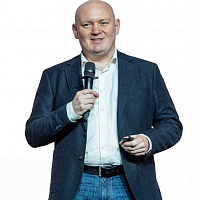
Andrey Kuzmichev,
Head of the Runiti group
10:30 - 12:00
Section 1. Plenary Session. WSIS+20: A Quarter Century of Building the Information Society. From Words to Action?
The session will focus on reviewing efforts over the past 20 years to carry out the decisions of the World Summit on the Information Society (WSIS+20) and the global dialogue on the digital agenda. Participants will discuss the principles on which international cooperation in the field of digital development is based today, where the key lines of disagreement lie, and whether there is still potential for meaningful dialogue in a rapidly changing international context.
Special attention will be paid to whether new agreements at the highest level can become the basis for a more coherent approach to digital governance, considering that sometimes views of the participants in the global conversation can become extremely polarized.
Moderator:
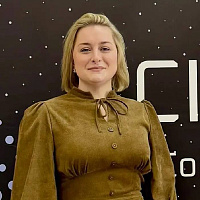
Maria Bolshakova,
Regional Commonwealth in the Field of Communications (RCC)
Participants:
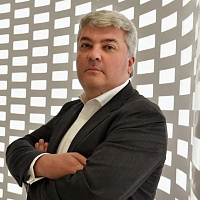
Alexey Goreslavsky,
«IRI, Institute for Digital Content Support»
Alexander Shoitov,
Deputy Minister of Digital Development, Communications, and Mass Media of the Russian Federation
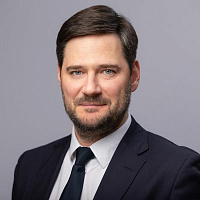
Alexey Borodin,
Director General of the RSS Executive Committee Regional Commonwealth in the Field of Communications (RCC)
Gitanjali Sah,
ITU Strategy and Policy Coordinator
12:00 - 12:30
Coffee break
12:30 - 13:50
Section 2. Foresight Session. AI as a Catalyst for Disruption: What It's Changing Today and How It Will Reshape Governance, the Economy, and Society by 2035
Artificial intelligence is already transforming decision-making processes, communications, content production, and digital services, shaping structural shifts in governance and economics.
In this section, we will talk about the transition to adaptive regulatory models and a new architecture of responsibility between the state, platforms and developers. A separate focus is on the possible wave of 2027-2035 associated with the development of autonomous agents, AI ecosystems and agentic AI. Participants will also consider key constraints and stress points: access to computing resources and energy, staffing shortages, issues of trust, standardization and auditing, as well as the cross-border movement of models and data.
Moderator:
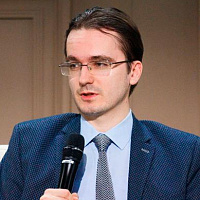
Konstantin Vishnevsky,
HSE University, Center for Strategic Analytics and Big Data, Institute for Statistical Studies and Economics of Knowledge
Participants:

Vyacheslav Beresnev,
Director General of the NGO "CTI NEUROLAB", Executive Director of the Association of Laboratories for the Development of Artificial Intelligence (ALRII)
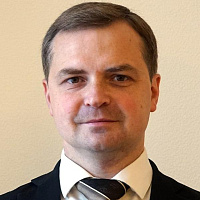
Yevgeny Osadchuk,
Head of the Artificial Intelligence Unit, Department of Technology Development and Continuing Education Programs, Skolkovo Innovation Center
Mikhail Skvirsky,
Managing Director, Head of the Artificial Intelligence Federal Project Implementation Center, Department for Artificial Intelligence and Machine Learning Development, Sberbank
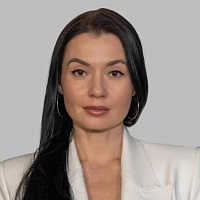
Oxana Sotnikova ,
Director of the Department for Strategic Development and Innovation, Ministry of Economic Development of the Russian Federation

Veronika Kolodko,
Managing Director of the Rambler portal, Rambler&Co media holding
Kirill Sidorov,
Director of Digital Development, TASS
13:50-14:00
Technical Break
14:00 - 15:00
Section 3. Linguistic Diversity and Preserving Cultural Identity in the Global Digital Environment
The cultural code is the key to understanding the culture of different nations and their unique features. It is transmitted through language, traditions, history and art, ensuring the continuity of cultural identity. Language plays a key role in this process as a carrier of meanings and a tool for shaping the worldview.
In the context of digital transformation, the preservation of the cultural code is becoming a strategic task. Participants in this section will discuss how to ensure the presence of national languages and cultural codes in the online space, digital technologies which can become a tool for protecting linguistic diversity, transferring traditional knowledge and creating a sustainable cultural environment in the global network.
Moderator:
Andrey Vorobyev,
Director of Coordination Center for TLD .RU/.РФ
Participants:

Maria Kolesnikova,
Chief Analyst, Coordination Center for TLD .RU/.РФ
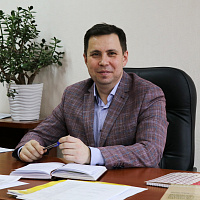
Igor Pozdeyev,
Head of the Udmurt Institute of History, Language, and Literature, Udmurt Federal Research Center, Ural Branch of the Russian Academy of Sciences
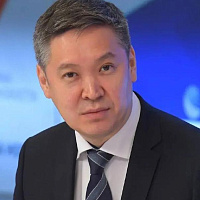
Timur Tsybikov,
Head of the Department for State Policy in the Sphere of Interethnic Relations, Federal Agency for Ethnic Affairs of Russia
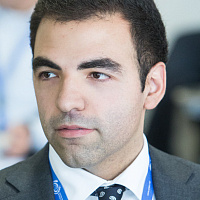
Farid Nakhli,
Program Coordinator for the Regional Office of the International Telecommunication Union for the CIS Countries

Sergey Markov,
Director for AI Technology Development, Sberbank
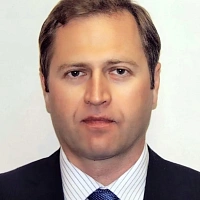
Sergey Chumarev,
Deputy Director of the Department of Multilateral Cooperation on Human Rights of the Ministry of Foreign Affairs
15:00 - 16:00
Lunch
16:00 - 17:00
Section 4. Digital Transformation of Russian Healthcare: New Roles, Data-Driven Insights, and the Future of Medicine
The digital ecosystem has become an integral part of Russian medicine. The Public services portal and regional services have dramatically changed the patient's first contact with the system: 87% of doctor's appointments are booked online today. Telemedicine and AI-based solutions are experiencing rapid growth: in four years, the number of telemedicine users has grown 7.5 times and exceeded 3 million people.
People are increasingly eager to use affordable and technologically advanced medical solutions, which corresponds to a global trend: in 2025, the number of people using digital health tools around the world reached 1.4 billion.
The rapid integration of artificial intelligence creates new opportunities while also raising fundamental issues that require an in-depth discussion by the professional community.
Moderator:
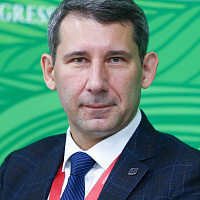
Vadim Gluschenko,
Director of Center for Global IT-Cooperation
Participants:
Andrey Povaryonkin,
Director of Sales and Development, Third Opinion
Boris Zingerman,
Head of Digital Medicine, INVITRO
Anton Vladzymyrskyy,
MD, DSc (Medicine), DSc (History) Deputy Director for Research, Center for Diagnostics and Telemedicine Technologies
Alexey Kushner,
Head of Product Development (Healthcare), NtechLab
17:00-17:10
Technical Break
17:10-18:10
Section 5. The Future of Child Online Safety: New Approaches to Risk Assessment and Prediction
Digital risks for children are evolving faster than the tools designed to counter these risks: there are phishing and data leaks today, and tomorrow we will face AI manipulation, digital identity theft and new forms of hidden harm. The government, business and the non–profit sector have already accumulated substantial practical experience in dealing with these threats, from parental control mechanisms and educational initiatives to a system-wide assessment of the digital environment and the development of indicators of online childhood safety.
The discussion will focus on the transition from reactive measures to strategic forecasting: identifying the harbingers of future threats and forming a proactive model for protecting children in the digital environment. Special attention will be paid to the psychological aspects of safety, the analysis of typical risks and practical recommendations for parents.
Participants will also discuss the universal nature of many digital risks and the potential of national practices as a basis for international dialogue and the development of common approaches and standards for the protection of children online.
Moderator:

Elizaveta Belyakova,
Chairperson of the Alliance for the Protection of Children in the Digital Environment
Participants:
Yekaterina Larina,
Director, Department for the Development of Mass Communications and International Cooperation, Ministry of Digital Development, Communications, and Mass Media
Alexander Tolmachev,
Deputy Chairman, State Duma Committee on Youth Policy

Olga Bochkova,
Founder and Head, Olga Bochkova Security Academy, Child and Adolescent Psychotherapist
Anton Rastashchenov,
Head of the Department for the Prevention of the Spread of Destructive and Prohibited Information on the Internet, Ministry of Internal Affairs of the Russian Federation
Dmitry Kishilov,
Director of the Additional Products Business Unit, MegaFon
Sergey Maklakov,
Head of the Department for Combating False Information of ANO Dialog Regions;
Sergey Kalinin,
First Deputy Head of the UBK of the Ministry of Internal Affairs of Russia
18:10-18:20
Wrap-Up of Day 1
18:30-19:30
Reception
10:00-11:30
Section 6. Sovereign Clouds: Evolving from a Marketing Term to a Contractual Necessity
In the era of digitalization, data sovereignty is becoming a key challenge for states and businesses. Initially, the term Sovereign Cloud was a marketing slogan used by cloud service providers, emphasizing data localization and compliance with national regulations. However, the evolution of geopolitical risks, including sanctions and cyber threats, has transformed it into a mandatory provision in contracts.
The session participants will discuss how the sovereign cloud is moving from declarations to practical standards that ensure data control without dependence on foreign vendors. Special attention will be paid to sovereignty as a service model, in which infrastructure management is reserved for hyperscalers, creating political vulnerability for countries without their own technical capabilities.
The discussion focuses on European, Russian and Asian practices, the integration of sovereign clouds into government strategies and the risks of cloud ecosystems in the face of increasing protectionism.
Moderator:
Alexey Rogdev,
Director General of the Technical Center of Internet
Participants:
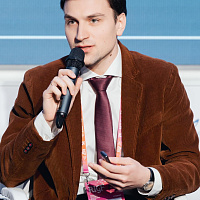
Yuri Kolotaev,
Senior Lecturer, Department of European Studies, St. Petersburg State University
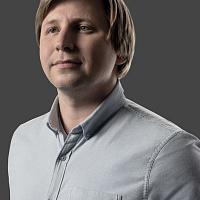
Ilya Korolev,
Strategy Director, Beeline Cloud
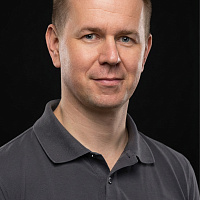
Denis Prokhorchik,
Executive Director, Reg.Cloud
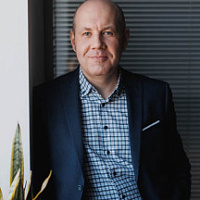
Anton Salov,
Independent Expert, Member of the RCCPA Organizing Committee
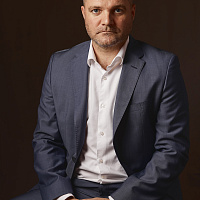
Alexander Obukhov,
CEO of Turbo Cloud
11:30-11:45
Coffee Break
11:45 - 12:15
Virtuti Interneti award presentation and traditional lecture by the laureate
In 2010, the Coordination Center for Top Level National Domains established a special award, Virtuti Interneti (Service to the Internet) unique in the Runet.
It is awarded to representatives of the worldwide web community, business, sciences and the government who have made a significant contribution to the development of the Runet and the global Internet. Candidates are shortlisted by the Programs Committee of the Russian Internet Governance Forum (RIGF), and the awards ceremony and subsequent lecture by the winner have become a tradition for the RIGF program.
12:15 - 13:45
Section 7. How Nations Are Regulating Generative AI: The Evolution of International Approaches
Generative neural networks are rapidly moving from the experimental stage to everyday practice and are becoming a significant factor in technological development. They increase labor productivity, reduce costs, accelerate management processes, and form new digital services and business models, helping companies improve their competitiveness and having a noticeable impact on the development of national economies.
International practice contains a wide range of regulatory solutions, from minimal intervention to complex models covering the entire service lifecycle. In the absence of unified global approaches and limited case law, experts have been focusing their conversation on searching for a balanced regulatory format.
Moderator:
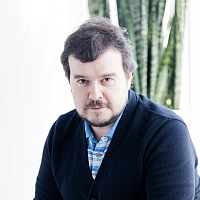
Karen Kazaryan,
Digital Economy
Participants:
Anastasia Kabayeva,
Partner, Technology Practice, Technologies of Trust
Soslan Gabuev,
Deputy Director of the Department for Artificial Intelligence and Big Data Development, Ministry of Digital Development, Communications and Mass Media of the Russian Federation
13:45-14:00
Coffee Break
14:00-15:30
Section 8. Russian Business — The New Architecture of Digital Promotion
In recent years, the digital market in Russia has undergone a structural transformation. Business promotion has long moved beyond a simple mix of advertising tools. Today, it operates as an integrated ecosystem that brings together platforms, marketplaces, retail and fintech services, purchase data, and algorithmic recommendations.
This session will explore:
- How to build a cohesive business promotion architecture in the current landscape
- The impact of AI and automation on the customer journey
- Attribution modeling: identifying which channels drive demand and which lead to conversion
- Strategies for measuring advertising effectiveness in an era of data fragmentation
- Key structural shifts and technological innovations likely to shape the market in 2026
Moderator:

Olga Vrublevskaya,
Client Service Director, RTA
Participants:

Yelena Zhuchkova,
Digital Director, Kassir.ru

Nikita Lebedev,
Director of Content Services Product, VK

Yekaterina Askerova,
Head of Sales, Magnit ADS

Ivan Shumilov,
Основатель команды «АБВ», основатель и генеральный директор «АБИВИРУ»
15:30-15:45
Coffee Break
15:45-17:15
Section 9. Recoding Diplomacy: How the Internet is Reshaping the Language of Global Communication
In the shifting geopolitical landscape, the development of internet technologies compels us to seriously rethink traditional notions of the parameters and tools of social interaction, impacting virtually all aspects of life, including international relations.
Currently, digital communication tools are influencing not only the speed, style, and content of international dialogue but are also transforming diplomatic language itself, offering new opportunities for building a positive national image and advancing state interests. Intercultural communication, perhaps for the first time, is acquiring a truly global character.
Moderator:
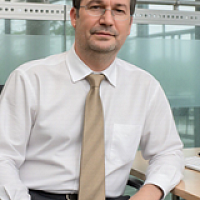
Igor Sviridov,
Deputy Director, Integral R&D Institute
Participants:
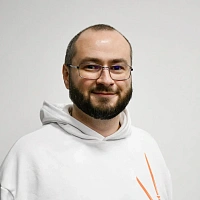
Yaroslav Meshalkin,
Founder of the Center for Gaming and Esports Communications
Semed Semedov,
PhD, Professor, Head of the Department of International Cooperation and Management, Faculty of International Relations and Business, Institute of Management, RANEPA under the President of the Russian Federation

Renata Garifullina,
Journalist, PR technologist, popularizer of science, author and head of the projects "20 minutes of Silence", "The Future is here" and "Renata Garifullina's Laboratory", head of the external communications departments of the animation company "VIARKO" (Gazprom-Media Holding)
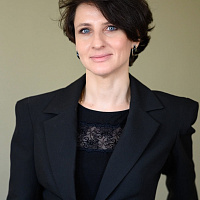
Alexandra Vanichkina,
Candidate of Philological Sciences, Director of the Institute of Information Sciences of the Moscow State Linguistic University. Maurice Thorez (MGLU)
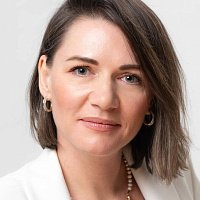
Tatiana Benua,
President of the Association of Organizations and Specialists in the field of Artificial Intelligence "National Artificial Intelligence Foundation", member of the Council for the Development of Information Technologies and the Digital Economy of the Chamber of Commerce and Industry of the Russian Federation, member of the Alliance of Artificial Intelligence of the BRICS countries
17:15-17:30
Coffee Break
17:30-18:00
Closing ceremony
Closing ceremony, wrap-up, Presentation of the Results of the RIGF 2026 Youth Special Course, presentation of the articles submitted for RIGF 2026.
Participants:
Vadim Gluschenko,
Director of Center for Global IT-Cooperation
Elena Zinovieva,
Doctor of Political Science, Professor, Department of Global Political Processes, MGIMO
Arevik Martirosyan,
Curator of the RIGF 2026 Special Course for Youth
Marina Rozhkova,
President of the IP CLUB, Chair of the Legal Affairs Committee of the Cultural Center
Anastasia Savelyeva,
Curator of the Summer School on Internet Governance
Roman Shamraev,
Expert Analyst, ANO "Competence Center for Global IT Cooperation"
* The duration of some sections may be shortened to one hour, subject to coordination with moderators and the number of participants.